
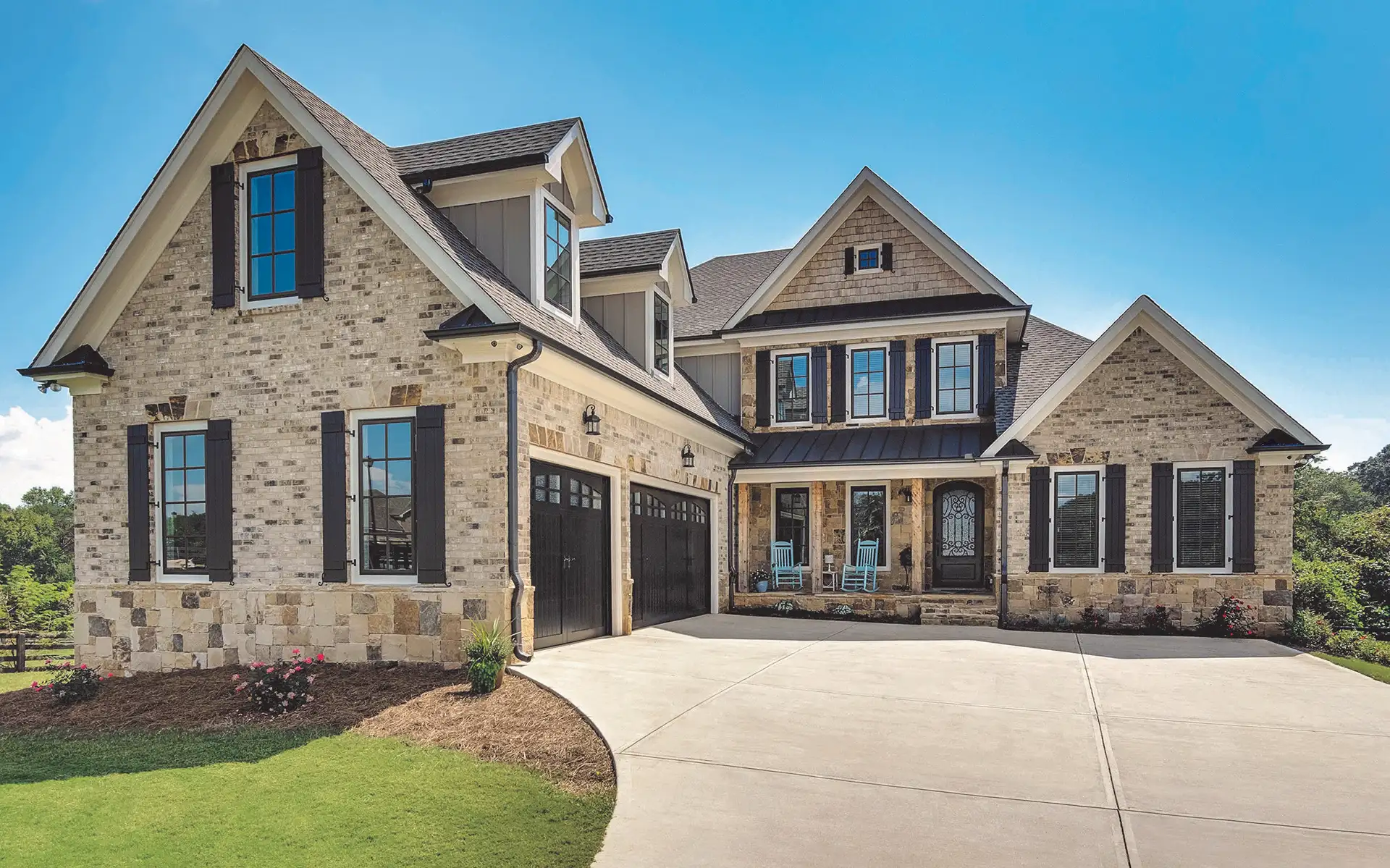
Fiberglass windows vs. Vinyl windows
Whether replacements for existing windows or part of new construction, your home’s “eyes” to the outside world involve quite a few decisions to find the right set. Chief among them is the material for the frame and sash of your windows.
Currently, two of the most popular manmade materials for windows are vinyl and fiberglass. Vinyl is actually a truncation for polyvinyl chloride (PVC), a type of plastic. Fiberglass has a base of glass that’s melted under very high heat and then pulled into extremely fine fibers, which are woven together. If intended for solid construction, such as window frames, fiberglass is impregnated with various resins so it can be molded into shape.
Both fiberglass and vinyl are strong, durable, easy-care, and water-resistant materials that hold up to the elements far better than wood. Although it’s still considered the gold standard for window frames and sashes, thanks, mostly, to its lovely, traditional appearance, wood requires considerable maintenance to keep its good looks and prevent wear and tear.
Fiberglass gives a wider range of decorative options
While both materials look similar from a distance, and both can be quite attractive, fiberglass offers more variety in terms of window appearance. This makes them a good choice for homeowners in Pleasanton where architectural styles vary. Fiberglass frames tend to be slightly thinner than vinyl, leaving more glass exposed, which is desirable when you want to let as much natural light into a room as possible. And while both materials come in a wide range of colors, fiberglass is paintable and vinyl is not. Finally, fiberglass can be textured to look like real wood, whereas vinyl is generally smooth.
Fiberglass is the most durable
Both vinyl and fiberglass tend to outlast wood, as they don’t rot or decay from moisture or insect damage, but fiberglass is the hardiest choice. A high-quality vinyl window will last around 30 years, while its fiberglass counterpart can still be gracing your home more for decades after installation. Fiberglass is stronger than vinyl and resists warping and cracking even under prolonged weather extremes. Vinyl expands and contracts with fluctuating temperatures, meaning that in the most severe climates, the seal between the window frame and glass pane can break, greatly reducing the insulating abilities of the window.
Fiberglass is more energy efficient
Although both materials are fairly good insulators and adequately control temperature loss or gain through the window, fiberglass does a better job. In fact, fiberglass was created in the 1920s specifically for use as insulation and it’s still commonly used for that purpose today. As a rough rule of thumb, fiberglass windows are as much as 15 percent more energy efficient than vinyl. This is a big benefit for Tri-Valley homeowners who keep seeing their energy bills rise. And thanks to its glass base, fiberglass is very effective at insulating against sound, too, an important consideration if you live near a highway or other noisy area.
Fiberglass is more eco-friendly
Because fiberglass is more energy efficient than vinyl, it reduces energy consumption. And although not easy to recycle, most fiberglass is made from recycled glass, which means less glass in landfills and less need for new glass production. Plus, the manufacture of fiberglass doesn’t release harmful chemicals into the environment, nor will fiberglass windows off-gas or release potentially harmful byproducts should there be a fire in your home. By contrast, vinyl is not easily recyclable, produces harmful chemicals during production, and releases harmful fumes if melted in a fire.
These are some great reasons to choose Infinity® from Marvin!
Infinity windows are built with Ultrex® fiberglass, a material that’s up to 8x stronger than vinyl. It resists warping, cracking, and swelling making it ideal for Bay Area homes exposed to wide temperature swings, and long-term sun exposure.
Designed to minimize heat transfer and air leakage, Infinity windows help keep homes cooler in the summer and warmer in the winter. That means improved indoor comfort, reduced energy costs, and dependable performance across Bay Area microclimates.
Slim profiles and durable frames allow for larger glass areas, maximizing natural light and views. Whether your home overlooks hills, cityscapes, or landscaped yards, Infinity windows deliver a modern, architectural look without sacrificing strength.
Infinity windows are factory-finished for durability and won’t need repainting like wood or frequent replacement like lower-grade materials. Homeowners get long-term value, minimal upkeep, and a window that looks great for decades.
Recognized by





Fiberglass vs Vinyl Windows FAQs
Are fiberglass windows better than vinyl windows?
Fiberglass windows are generally considered the premium option due to their strength, durability, and long lifespan. They resist warping, expanding, and contracting with temperature changes better than vinyl. Vinyl windows are more budget-friendly and still offer solid energy efficiency, making them a great option for many homeowners.
Do fiberglass windows last longer than vinyl windows?
Yes. Fiberglass windows typically last longer than vinyl windows because they are more resistant to weather, UV exposure, and structural wear over time. Fiberglass frames maintain their shape and performance for decades, while vinyl may degrade or warp sooner in extreme conditions.
Which is more energy efficient: fiberglass or vinyl windows?
Both fiberglass and vinyl windows are energy efficient when properly installed. However, fiberglass frames often provide better long-term performance because they expand and contract at a rate similar to glass, helping maintain a tighter seal over time.
Are fiberglass windows worth the higher cost?
For many homeowners, yes. Fiberglass windows offer long-term value through durability, low maintenance, and improved performance. While the upfront cost is higher than vinyl, they can reduce maintenance needs and last longer, making them a smart investment, especially for long-term homeowners.
Do vinyl windows require more maintenance than fiberglass?
Both options are low maintenance, but fiberglass has an edge. Fiberglass frames are less likely to fade, warp, or become brittle over time. Vinyl windows don’t require painting, but they can discolor or lose structural integrity after years of sun exposure.
Which window material looks better, fiberglass or vinyl?
Fiberglass windows tend to offer a more refined, high-end appearance and can mimic the look of real wood more closely. They also support slimmer frames and larger glass areas. Vinyl windows typically have thicker frames and more limited color and finish options.
How do I choose between fiberglass and vinyl windows?
The best choice depends on your priorities:
Choose fiberglass if you want long-term performance, durability, and a premium look
Choose vinyl if you’re focused on affordability and solid energy efficiencyA professional consultation can help you compare options based on your home, budget, and goals.
Inspiration Gallery


-1920.webp)


.webp)


-1920.webp)


