
What does EPA Lead-Safe RRP Certification Mean, and Why Does It Matter for East Bay and San Francisco Homeowners
Serving Pleasanton, Dublin, Livermore, San Ramon, Danville, Walnut Creek, and the greater East Bay and San Francisco Bay Area since 1997
Most homeowners comparing exterior contractors in the East Bay and San Francisco focus on materials, pricing, and installation timelines. There is a compliance question that matters just as much for older homes, and it rarely comes up in a sales conversation: is the contractor EPA Lead-Safe Renovation, Repair, and Painting (RRP) Certified?
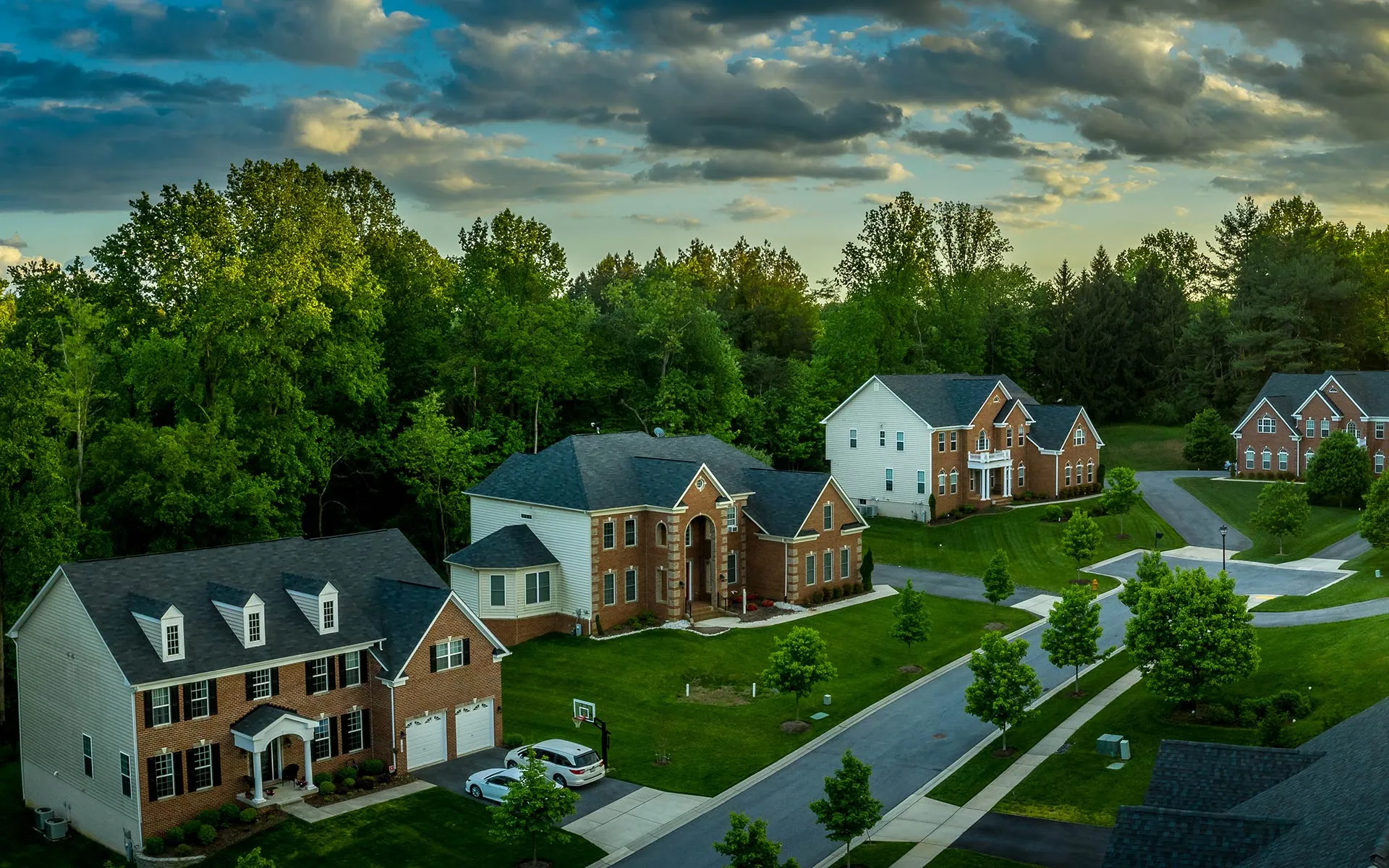
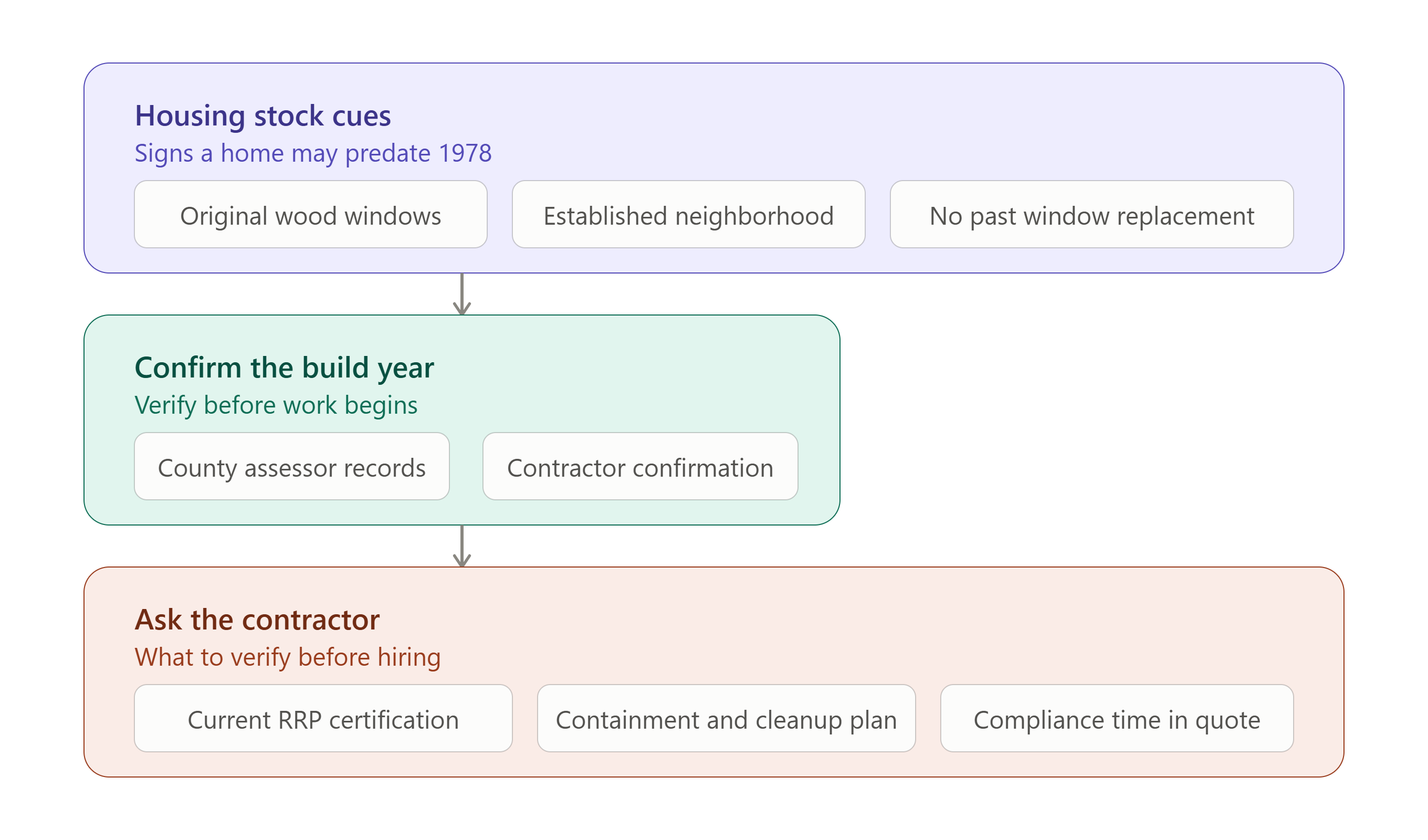
Lead-based paint was standard in residential construction until it was banned in 1978. A large share of the housing stock across Pleasanton, Berkeley, Oakland, Alameda, San Francisco, and other established East Bay and Bay Area communities was built before that date. For those homes, federal law requires that renovation work disturbing painted surfaces, including window replacement, be performed by a certified firm following lead-safe work practices. This article explains what that certification actually requires, why it is especially relevant in this region, and what to ask before hiring a contractor.
EPA Lead-Safe RRP certification is not a marketing badge. It is a federal legal requirement for any paid renovation work that disturbs painted surfaces in a home built before 1978, and window replacement is explicitly named by the EPA as a covered activity.
What EPA Lead-Safe RRP certification actually is
The Renovation, Repair, and Painting Rule, known as the RRP Rule, is a federal regulation issued by the Environmental Protection Agency under the Toxic Substances Control Act. It applies to any paid renovation, repair, or painting work that disturbs painted surfaces in housing or childcare facilities built before 1978, where lead-based paint may be present.
The rule applies once a project disturbs more than six square feet of painted surface per room on the interior, or more than twenty square feet on the exterior. A typical window replacement, siding project, or exterior remodel crosses that threshold without any difficulty. Renovation is defined broadly by the EPA and specifically includes window replacement, along with repair, remodeling, and surface preparation for repainting.
Certification has two parts. The firm itself must be EPA-certified, which requires an application and a fee, and is valid for five years. In addition, at least one certified renovator, someone who has completed EPA-accredited lead-safe work practice training, must be assigned to and available for every applicable project. The remaining crew members must either be certified themselves or trained on the job by a certified renovator.
Why this matters more in the East Bay and San Francisco Bay Area
Housing age varies significantly by city, and that difference determines how often this requirement applies. San Francisco's Victorian and Edwardian housing stock is overwhelmingly pre-1978, with many homes 70 to 140 years old. Berkeley has a median construction year of 1944, and more than half of its housing predates 1950. Oakland, Alameda, and established neighborhoods in Pleasanton, Livermore, and Walnut Creek all include a substantial share of homes built before lead paint was banned.
For homeowners in these communities, the question is not hypothetical. If a home was built before 1978, the RRP Rule almost certainly applies to a window, siding, or door replacement project, and the contractor performing that work is legally required to be certified.
What lead-safe work practices actually involve
Certification is not just paperwork. It sets specific requirements for how the work itself is performed:
- Testing the affected area, or assuming lead-based paint is present unless testing proves otherwise
- Containing the work area with plastic sheeting to prevent dust and debris from spreading
- Prohibiting open-flame burning and power sanding without HEPA exhaust control
- Verified cleanup of the work area once the project is complete
- Distributing the EPA's Renovate Right pamphlet to the homeowner before work begins
- Keeping project records and training documentation on file for a minimum of three years
The risk of hiring an uncertified contractor
There are two distinct risks worth separating. The first is health. Lead dust from disturbed paint is the single largest cause of childhood lead poisoning, and dust ingestion is the most common route of exposure. A crew that does not follow containment and cleanup protocols can leave lead dust in a home well after the visible work is finished.
The second is legal exposure for the homeowner and the contractor. RRP violations carry civil penalties that can reach into the tens of thousands of dollars per violation, per day, and the EPA has publicly stepped up enforcement against firms, including national franchises, that fail to certify their crews or follow required work practices.
In practice, a meaningful share of contractors operating in this market, particularly smaller operators working across multiple trades, are not RRP certified. Certification confirms whether a contractor treats regulatory compliance as a real operating standard or an afterthought.
Questions worth asking before you hire
- Is your firm EPA Lead-Safe RRP Certified? Can I see the certificate?
- Will a certified renovator be assigned to and available for my project?
- Will I receive the EPA's Renovate Right pamphlet before work begins?
- What containment and cleanup verification steps will your crew follow?
- Is my home affected? What year was it built, and has anyone confirmed whether the RRP Rule applies?
How to verify a contractor's certification
Ask to see the firm's EPA certification directly rather than taking a website badge at face value. A legitimate firm can produce documentation without hesitation. Certifications are valid for five years, so it is reasonable to ask when the current certification was issued and confirm it has not lapsed. The EPA also maintains a public tool for locating certified firms, which is a useful second check.
Custom Exteriors is EPA Lead-Safe RRP Certified
Custom Exteriors is EPA Lead-Safe RRP Certified. Before installation begins on any project, our team confirms whether a home falls under the RRP Rule and follows the appropriate lead-safe practices when it does. This applies across our service area, from newer construction in San Ramon and Dublin to century-old homes in Berkeley, Oakland, and San Francisco.
This certification sits alongside the other credentials that define how we operate: AAMA Certified Master Installers who are full-time employees rather than subcontractors, Diamond Certified status, BBB accreditation, and a Pleasanton showroom where homeowners can see products in person before deciding. Individually, each credential answers a narrow question. Together, they answer a broader one: whether a contractor takes its obligations to the homeowner, the crew, and the law seriously.
Frequently asked questions
Does the RRP Rule apply to my own home if I live in it?
The rule generally does not apply to homeowners performing work on their own occupied home. It applies when you pay a contractor, when you rent out all or part of the home, when you operate a childcare facility there, or when you are renovating to sell. If you are hiring a contractor for a paid renovation on a pre-1978 home, the rule applies to that contractor regardless of whether you live there.
How do I know if my home was built before 1978?
Alameda County and most Bay Area counties make construction year available through the county assessor's property records, which are typically searchable online by address. A contractor performing an in-home consultation should also be able to help confirm this before work begins.
Does RRP certification cost more, and does that show up in my quote?
Certification itself is a fixed cost to the firm, not a line item that scales with your project. What can affect a quote is the additional time required for containment, testing, and verified cleanup when a project falls under the rule. That time is a legal requirement, not an upsell, and it is worth confirming that any quote you receive for a pre-1978 home already accounts for it.
Visit the Custom Exteriors showroom at 2142 Rheem Drive, Suite E, Pleasanton, to see Infinity from Marvin windows and patio doors, ProVia and Therma-Tru entry doors, and James Hardie siding in person, and to ask our team directly about lead-safe compliance for your home.
2142 Rheem Drive, Suite E, Pleasanton, CA | (925) 249-2280 | custom-exteriors.com
Est. 1997 | 30,000+ projects | Diamond Certified | AAMA Certified Master Installers | Infinity from Marvin Platinum Partne

