
Replacing windows in historic homes

Window Replacement for Historic Homes
Window replacement in a historic home is a different project than a standard swap, and the difference isn't cosmetic. Original openings are rarely square or standard-sized, structural conditions behind the trim are often unknown until the old window comes out, and homes old enough to qualify as historic are almost always old enough to require EPA lead-safe handling. In this combination, installer skill and certification aren't a preference, they're what determines whether the project goes cleanly or causes damage that costs more to fix than the windows did.

Why historic homes complicate window replacement
Non-standard openings. Historic homes were built before modern window sizing standards existed, and decades of settling, prior repairs, and hand-built construction mean openings are frequently out of square or sized differently than any off-the-shelf window. Getting an accurate measurement and a properly fitted unit takes more skill than working from a standard spec sheet.
Historic district and design review requirements. Many California cities require a Certificate of Appropriateness before exterior alterations to a home in a designated historic district, including window replacement. The review process typically involves submitting existing and proposed plans and can take anywhere from 30 to 90 days depending on the local commission's schedule. Vinyl windows are commonly restricted or rejected outright for street-facing elevations in these districts, since the material doesn't match historic sightlines or profiles.
Several cities in the Bay Area have an active Historic Preservation Commission that reviews changes like this. Pleasanton, Danville, and Walnut Creek each have their own historic districts and review processes as well. Check with your city's planning department before finalizing a design if your home falls within a designated historic area.
Hidden structural conditions. Original window frames, sills, and the wall sheathing behind them can hide rot, water damage, or pest damage that's invisible until the old window is removed. A retrofit plan made without accounting for this risk turns into a change order, or worse, a window installed over a compromised frame.
What happens when a contractor skips it
Two things are at stake, and they're not the same thing.
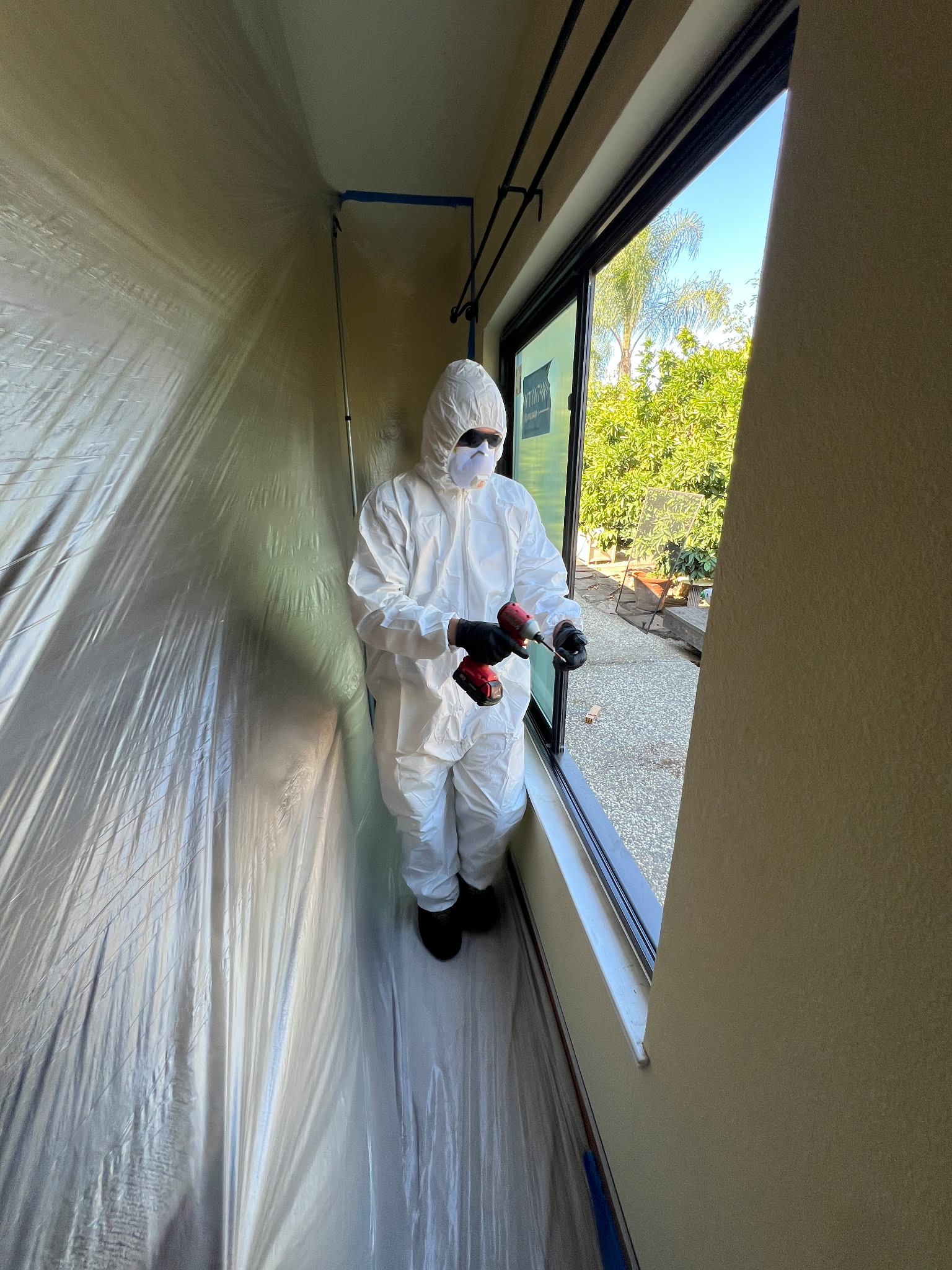
The first is what happens in your home. Uncontrolled removal of lead-painted window components can release lead dust into living spaces, which is a genuine health hazard, particularly for children and pregnant women. Lead-safe practices exist to contain and clean up that dust properly, not just to satisfy a regulation.
The second is what happens to the contractor. Firms that perform this work without RRP certification are violating federal law, and as of 2026 the EPA's civil penalties for RRP violations run more than $10,000 per violation, per day. That's not a fee homeowners pay, it lands on the contractor. But a contractor willing to skip a federally required safety step to save time or cost is telling you something about how they'll handle the rest of your project too.
Recognized by




How Custom Exteriors handles lead-safe window replacement
Custom Exteriors is EPA Lead-Safe Renovation, Repair, and Painting (RRP) Certified. Before installation begins on any pre-1978 home, our team confirms whether lead-safe procedures are required and follows the appropriate practices to protect the home, the people living in it, and the crew performing the work.
That work is carried out by our own full-time AAMA Certified Master Installers, not subcontractors. The same trained, employee-based team that handles your window installation is the team accountable for doing the lead-safe portion of the job correctly, from the first day of the project to the last.
Older housing stock across the Tri-Valley and East Bay
This isn't a rare edge case in our service area. Many homes in Pleasanton, Livermore, Walnut Creek, Alameda, Oakland, and surrounding East Bay communities were built during the decades when lead-based paint was still standard, which means lead-safe practices are a routine part of window replacement work here, not an exception.
For homeowners in these older homes, replacing original single-pane, painted wood-frame windows is also where the performance upgrade is most noticeable. Custom Exteriors installs Infinity by Marvin windows, built with Ultrex fiberglass, a material that expands and contracts far less than vinyl or the original wood frame, holding its seal through the seasonal temperature swings that cause older windows to draft, stick, and fail.
Recognized by
Frequently asked Questions
If your home was built before 1978 and a contractor is being paid to perform the work, yes. Federal law requires the firm to be EPA RRP certified and to follow lead-safe work practices when the renovation disturbs painted surfaces, which window replacement does.
Homes built before 1978 are assumed to have lead-based paint somewhere on painted surfaces unless certified testing proves otherwise. A certified renovator can test the specific areas being disturbed before work begins.
Yes. Custom Exteriors is EPA Lead-Safe Renovation, Repair, and Painting (RRP) Certified, and our team confirms whether lead-safe procedures apply before starting any project on a pre-1978 home.
It depends on the scope of the project and what the pre-work testing finds. Ask your Custom Exteriors project consultant for specifics before work begins rather than assuming a number in advance.
Inspiration Gallery


-1920.webp)


.webp)


-1920.webp)


